

The EU Telecoms Reform: Legislating for the Next Generation
On the 27th of September 2016, SME Europe of the EPP hosted an event in the European Parliament about the new proposal on reforming telecoms (published 21st September 2016) whilst considering the effects for SMEs. It additionally considered whether we need a ‘level playing field’ for next generation apps or services, the best framework for investment, and healthier competition for networks.
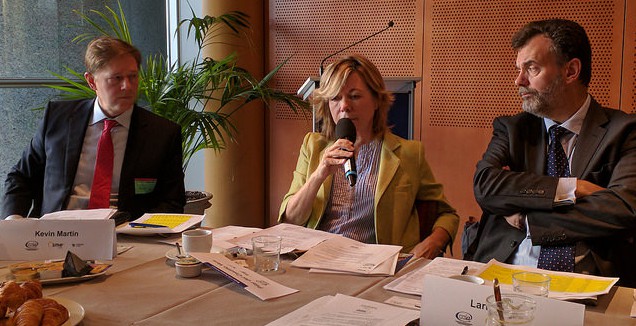
Mrs. Pilar del Castillo Vera MEP, Rapporteur on the Single Telecoms Market Package, Committee on Industry, Research and Energy, kicked off the discussion saying that the cloud is the most revolutionary system for SMEs to compete over. She than emphasized on the need of more capital for European Start Ups to develop Fiber. Her last remarks were about the necessity of a new name for the European Electronic Communication Code.

Mr. Anthony Whelan, Director for Electronic Communications, Networks and Services, DG Connect, European Commission, gave a keynote claiming that the new Telecom Reform has to start with strategical tactics. In his opinion, the target should be a 5G import for communication and innovative services and a maximum of infrastructure based competition. He then mentioned an increased focus on the unlicensed and opportunistic spectrum. The longer the license periods the better it is for investments.

Mr. Kevin Martin, Vice-President, Mobile and Global Access Policy, Facebook, first explained Facebook´s approach to connectivity, which included drones, unmanned vehicles and licensed/unlicensed spectrums. The focus of Facebook is on social platforming. In addition, the main target is a symbiotic relationship between SMEs and big players and to remove legislation restricting the existing players.
Mr. Jake Ward, Co-founder and President of the Application Developers Alliance, emphasized the importance of a balance between regulation and innovative technology. As regulation often restricts the innovation of SMEs, it is necessary that new opportunities should be created and regulation kept to a minimum.

Mr. Larry Stone, President of Group Public & Government affairs of the British Telecom, endorsed the drive for innovation already mentioned by many of the participants. He mentioned that frameworks for stronger IT security and data protection were vital to the telecom reform. He went further by explaining that even though e-commerce is a fantastic opportunity for cross border trade, it is also essential to have the correct legal frameworks governing its operation, this goes for establishing VAT rules for example. He also promoted the wider teaching of digital skills amongst children.

Mr. Brian Williamson, Member of the Communication Chambers, interjected by explaining how applications can help SMEs and the single market in creating new jobs.
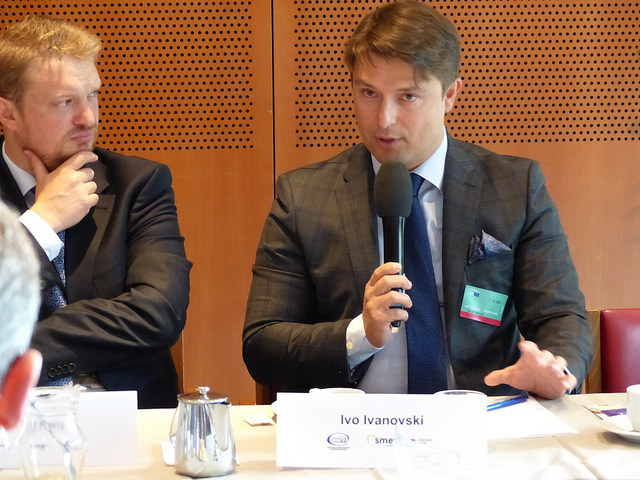
Mr. Ivo Ivanovski, Director of International Regulatory & European Affairs, Telekom Austria Group, believed that it is necessary to improve the text of the existing telecom report. He went on to say that less regulation is better for all players but heavy regulation for big players will stop their investment. He therefore suggested that European regulators should act as advisors. He added that roaming is an extra burden on operators. Mr Ivanovski also believes that the problem with the telecom report is the translation in different languages. It differs from country to country and so not everybody is on the same page.
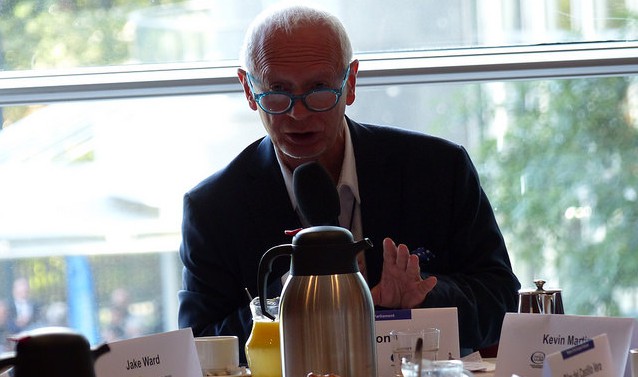
Mr. Michal Boni MEP, Vice-President of SME EUROPE, Chair of the Working Group for Start-ups, Committee on Industry, Research and Energy, rounded off the discussion by concluding that one has to combine all solutions, but first one must think of the priorities.