

Protecting privacy and enabling Innovation for Europe´s SMEs
On 30th March 2017, SME EUROPE of the EPP in cooperation with CCIA (Computer & Communications Industry Association conducted a Working Breakfast on the second day of the EPP Congress in Malta. The event took place at the Intercontinental Hotel In St. Julian’s, Malta, and considered the following thematic: “Protecting privacy and enabling Innovation for Europe´s SMEs”. The speakers for this event included; Bendt Bendtsen MEP, President of SME EUROPE, Member of ITRE Committee, Paul Rübig MEP, Honorary President of SME EUROPE, Member of ITRE and Chair of STOA Committee; Horst Heitz, Executive Director of SME EUROPE; Axel Voss MEP, Member of JURI, Opinion Rapporteur on Respect for Private Life and the Protection of Personal Data in Electronic Communications; Michał Boni MEP, Vice President of SME EUROPE, Chair of the Working Group for Start-ups, Member of LIBE, Shadow Rapporteur on Respect for ePrivacy regulation in LIBE Committee, Shadow opinion leader on Respect for ePrivacy regulation in ITRE Committee; James Waterworth, Vice-President, CCIA; Thomas Myrup Kristensen, Managing Director of EU Affairs for Facebook; Ivan Štefanec MEP, Vice President of SME EUROPE, Member of IMCO.
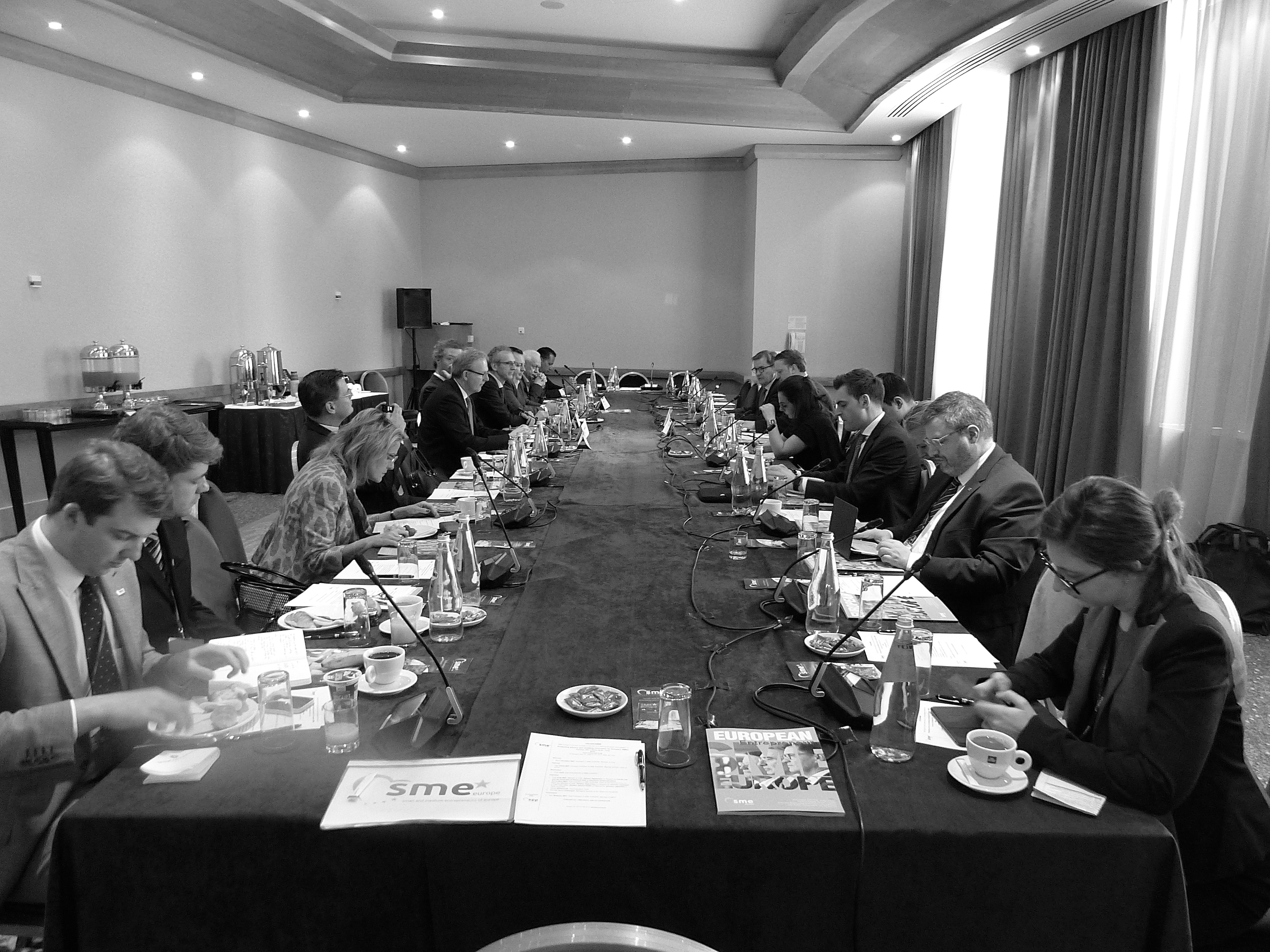
Bendt Bendtsen MEP kicked off the event and congratulated the members and team at SME EUROPE for the successfully passed resolution which was accepted during the Congress on the previous day. He welcomed all of the speakers and guests who had come from Brussels and many other EU member states for our events and the EPP Congress.
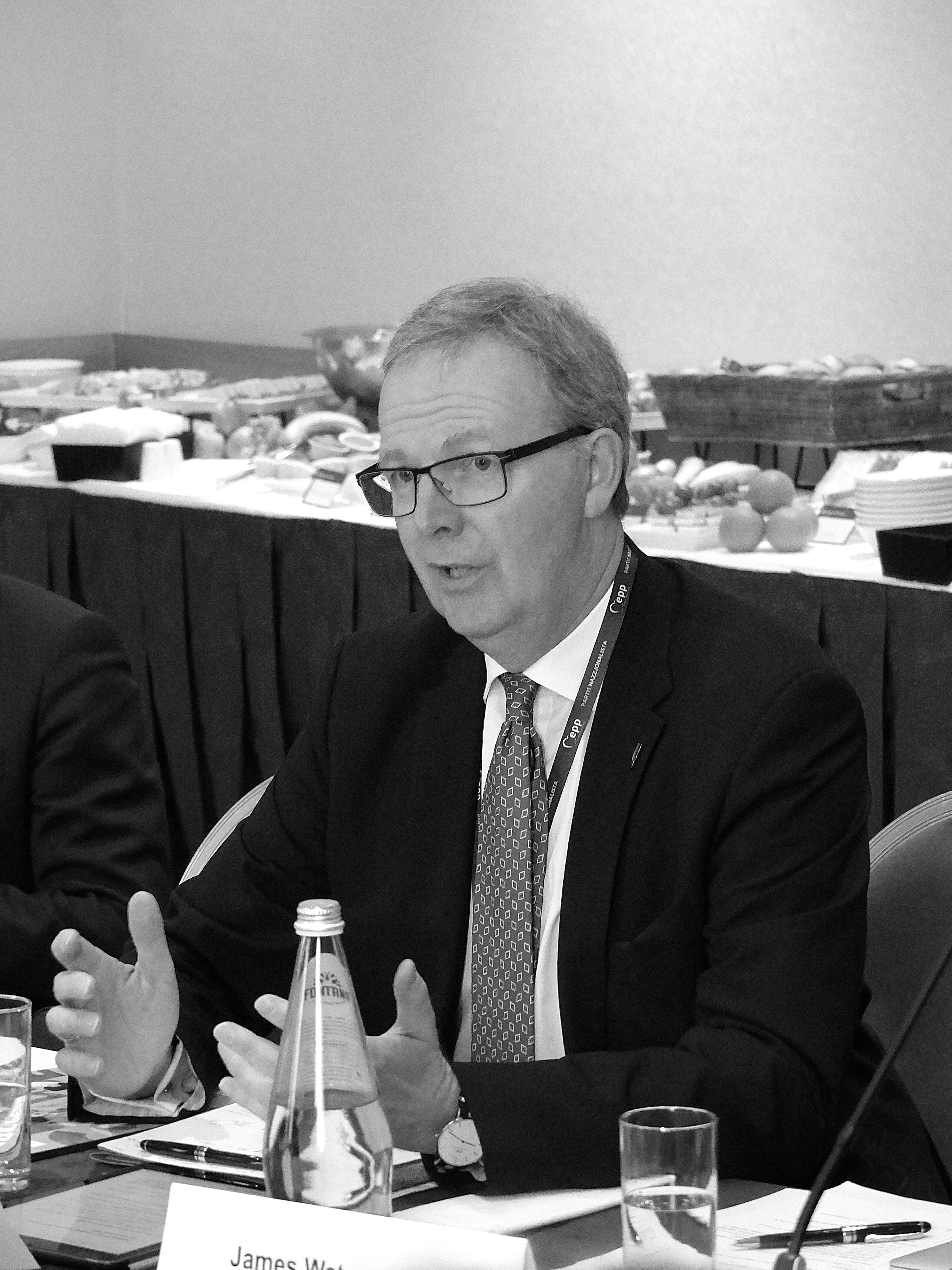
Axel Voss MEP explained his thoughts, which as it turned out, became a recurring theme over the whole course of this event; and this was the comparison of the EU´s new ePrivacy directive and the General Data Protection Regulation (GDPR). Mr. Voss remarked that even though a lot has been done to protect the individual, the goals of the European Commission are effectively hindering business in Europe, he therefore called for a much more balanced approach between fundamental rights and digital innovation. He mentioned that even though the Commission does a large amount to protect individuals, the fact still remains that there is an issue of “consent” which is surrendered by the user almost every time they choose to use a particular online platform, therefore agreeing to a loss of privacy. Mr. Voss said that he felt that the GDPR and the ePrivacy directive are almost certainly not in line with each other and that there is obviously a lack of communication inside the Commission, in light of this, he feels that the ePrivacy directive should really be a “bolt on” for the GDPR. He finished his intervention by stating that free flowing data is fantastic for the future development of SMEs worldwide.
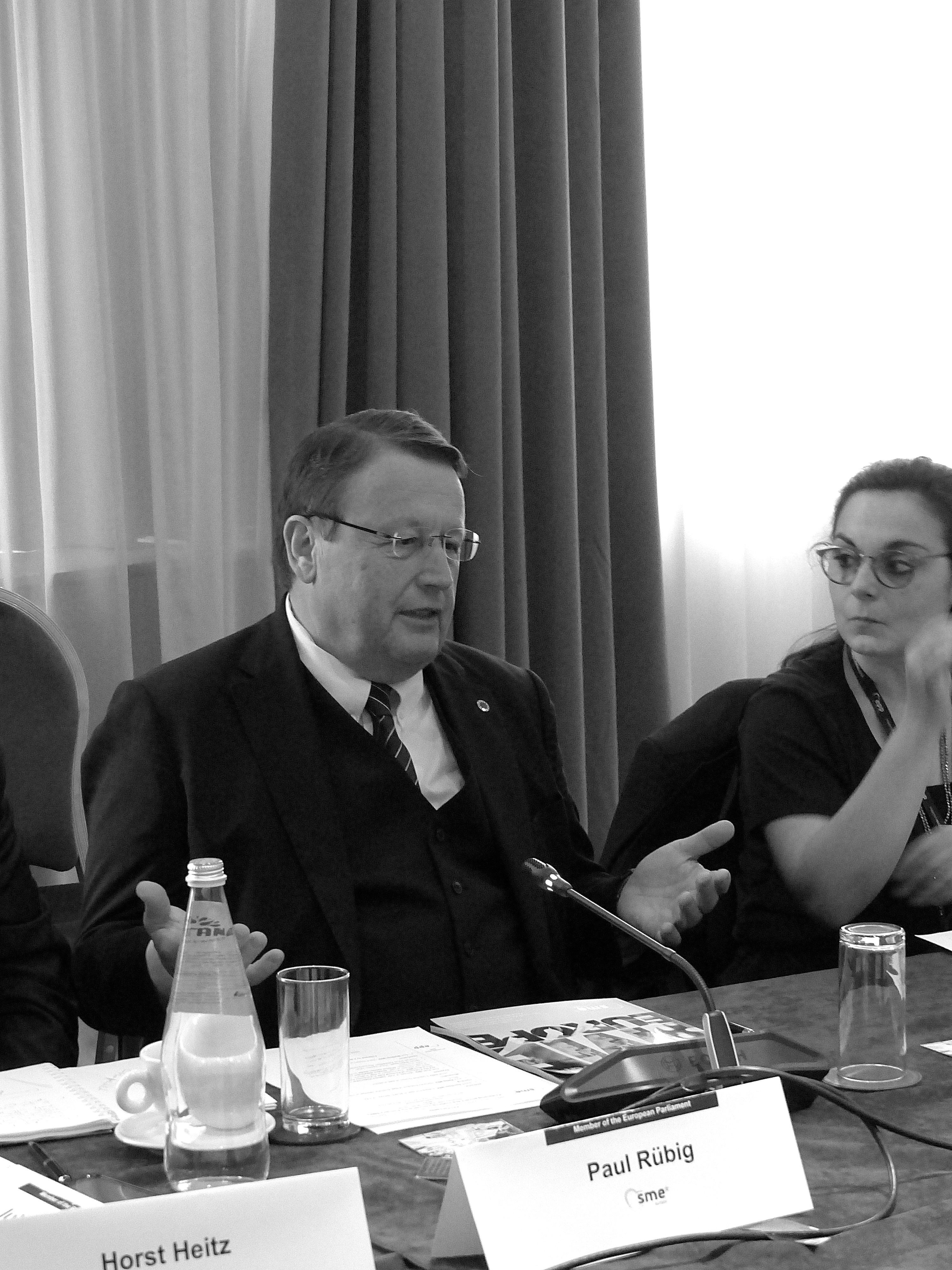
Paul Rübig MEP focused on the idea of education in the digital age. He recongnized that of course many older family businesses and certain generations may be scared of the coming digitalization to their world. Dr. Rübig is certain that an effective education programme aimed at rendering entire populations “digitally literate” is the answer to encouraging people to be stronger and united in the digital age. He finished by stating that the EPP as “the Family Party” has an obligation to fulfil in this field.
Michal Boni MEP was next to the floor and gave his feedback and reactions to the ePrivacy directive. He once again highlighted the lack of cohesion and communication in the Commission and called for closer contact between common proposals and interests laid down by the GDPR. He advised that the safeguards in place for privacy are very unclear in the directive and with this, the connection of legitimate interest is changing, which could endanger SMEs in the future, these issues should be addressed as soon as possible. He went on to say that of course fundamental rights are very important but at the same time, date channels need to be given full access with richer privacy settings. With an implementation date scheduled for 2018, Mr. Boni is hopeful that the ePrivacy directive (with more work), could help fill the gaps left by the GDPR which he doubts was even read in many of the EU member states.
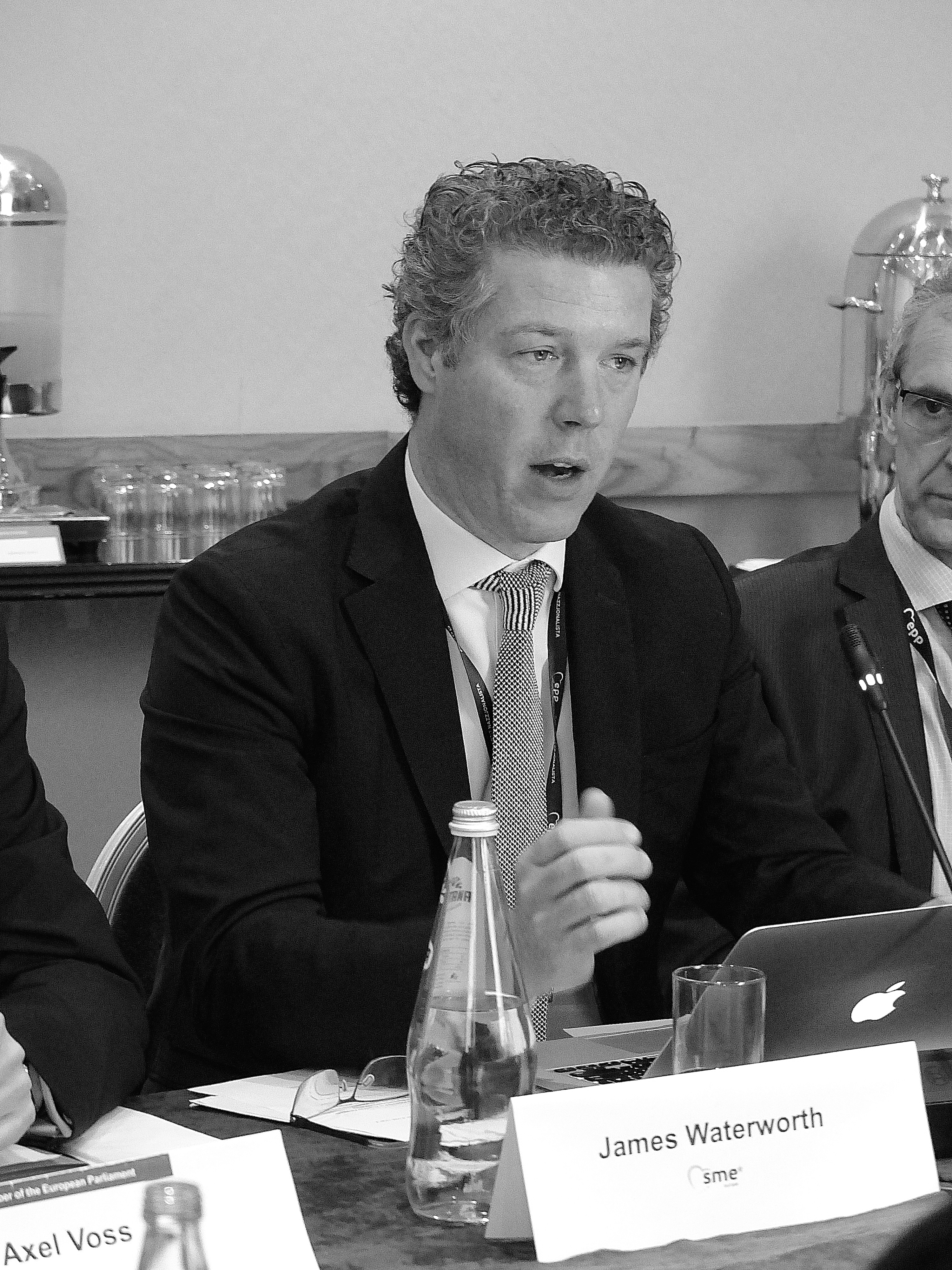
James Waterworth brought his experience of technology innovation in businesses to the table. He assured the participants that even though the teams of some of these tech businesses are small, they are capable of a maintaining a huge client network, with some employees managing to monitor and support up to 3,000,000 users each through the technology at their disposal. He mentioned that there is a lack of clarity when it comes to certain digital tools such as chat functions which are often touched upon by communication laws which is effectively under the auspices of general law. Other issues such as sign language and text are common place in today´s work place but are not accountable to legal frameworks because of the current regulation which renders this almost impossible. He believes that the ePrivacy directive contains some useful social functions, but overall, it should be more flexible like the GDPR. Mr. Waterworth explained that the automotive industry is growing rapidly and that Bluetooth is used by traffic management services, meaning that everyone on the roads is being tracked and is therefore automatically affected by privacy conditions, the current legal framework just isn´t flexible enough to cover this as an example, mentioned Mr. Waterworth. As a closing statement, he stated that regulation is not sector specific, and that if this is done wrong now, there will be significant social and economic consequences in the future.
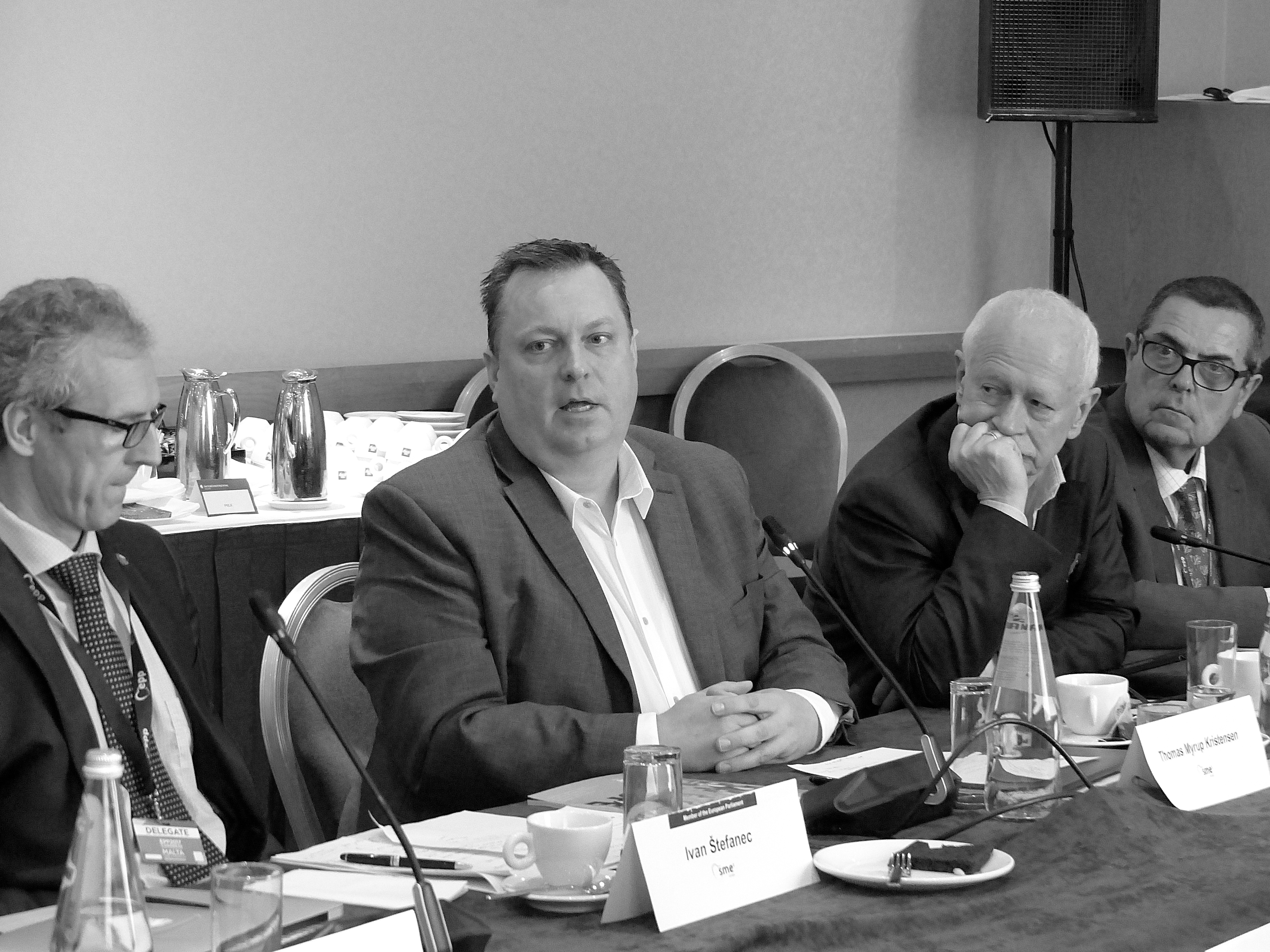
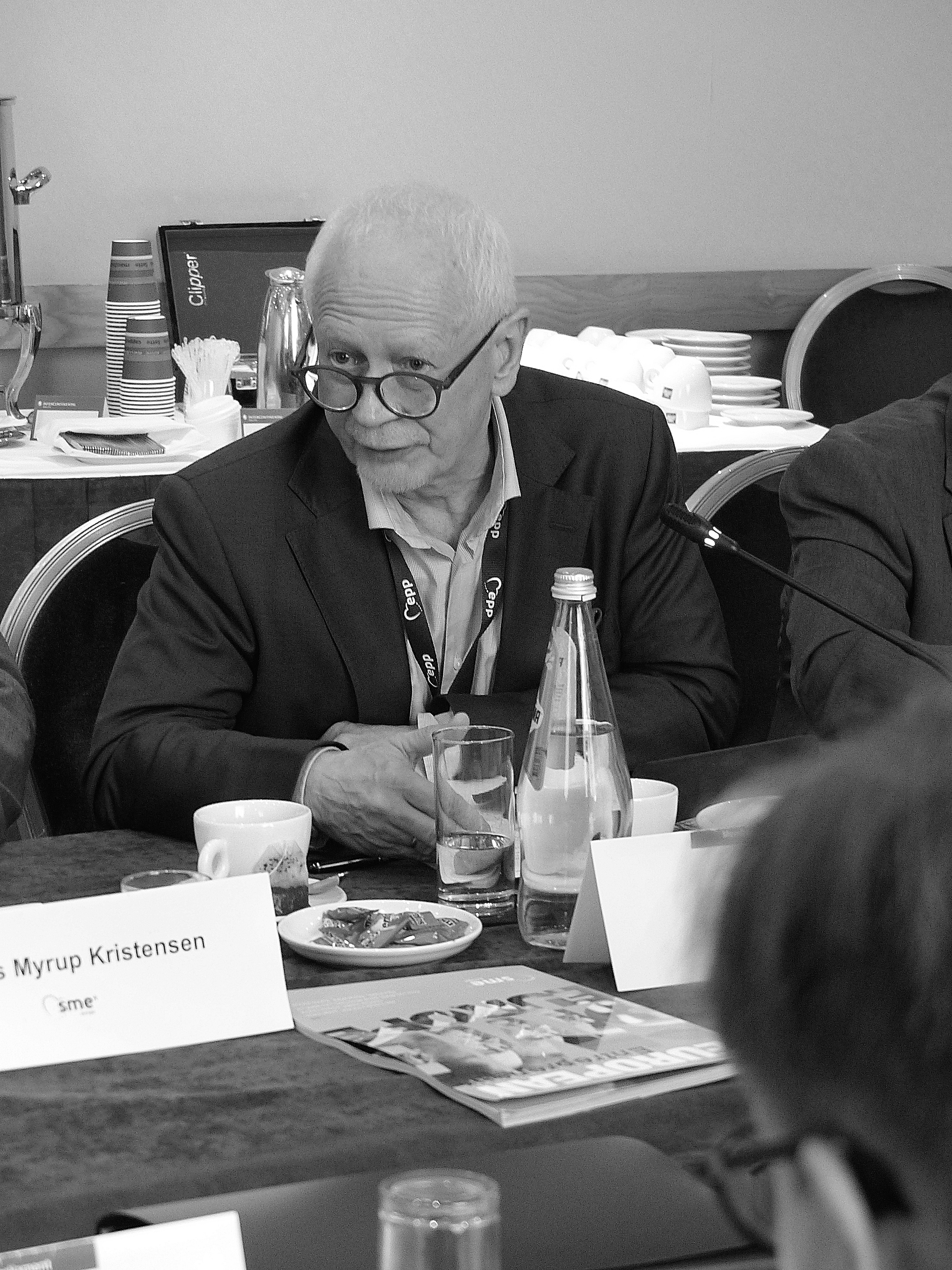
Thomas Myrup Kristensen felt that a balance of fundamental rights and digital innovation should not be the target, but winning in both of these areas. He believes that consent is very important but there are other means of achieving this other than those stipulated in the directive. According to Mr. Kristensen, consumers by law are always obliged to read the disadvantages of cookies but are never really allowed to see the advantages that these can bring. Overall he believes that the proposal needs substantial work before it is fit for role, and the fact that DG CONNECT is used to producing legislation governing communication from point A to point B, needs to become more dimensional and technical in this field whilst delivering an effective service. In short, Facebook feels that the proposal is look backwards rather than forwards.
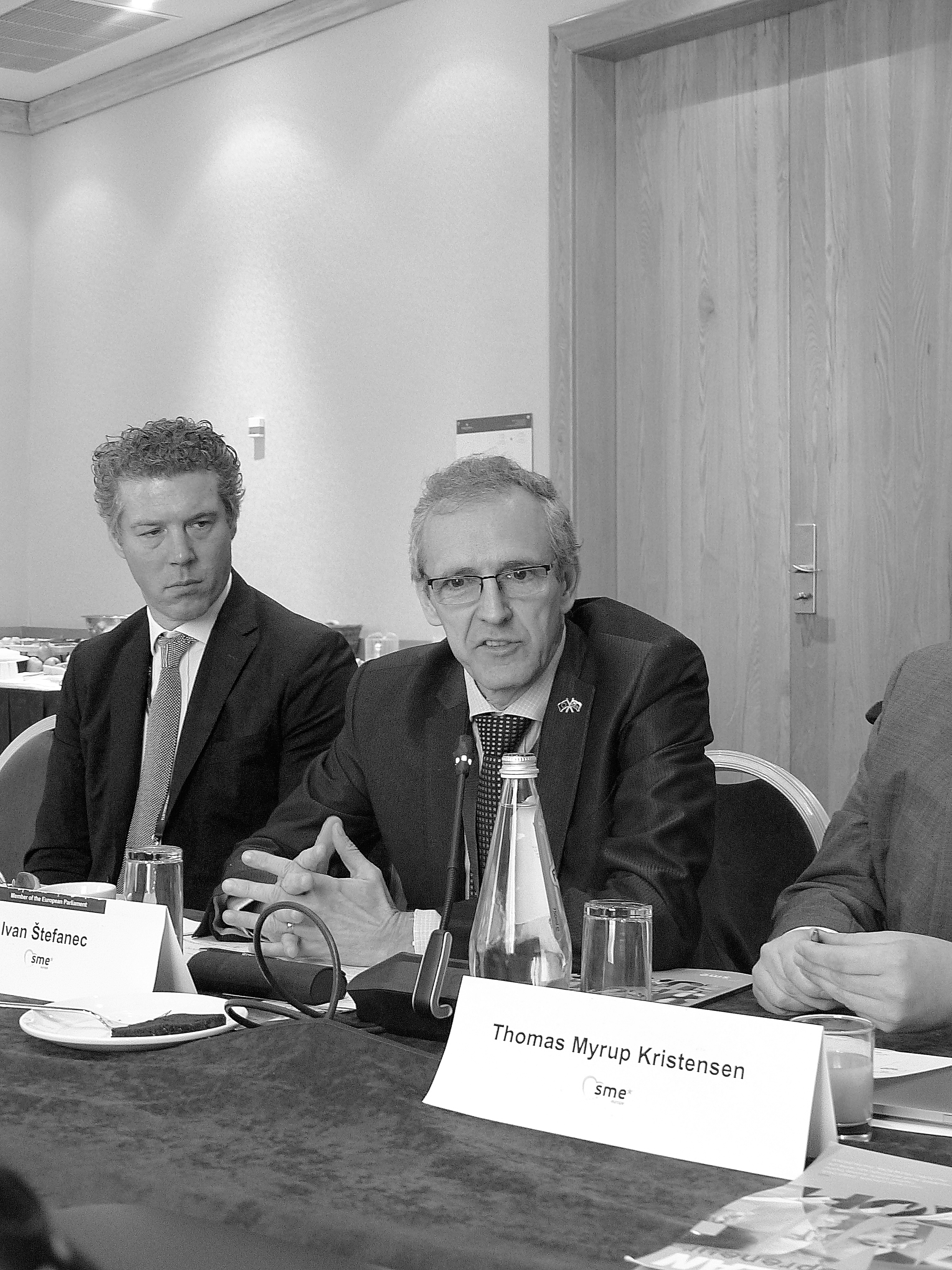
Ivan Štefanec felt that this is indeed a general matter for the economy but also for ownership, as if the owner ever decides to change their mind, the protection measures should be flexible. Mr. Štefanec called for subsidiarity in this matter, and is convinced that it is far too early for this directive to be implemented as the framework is very anti-innovation and needs to be much fairer to business. He finished by emphasizing the necessity to protect data but at the same time, not to limit growth.