“Online Impact of EU’s Digital Taxation Proposal on European SMEs”
By Bogdan Schmidt

#DIGITAX

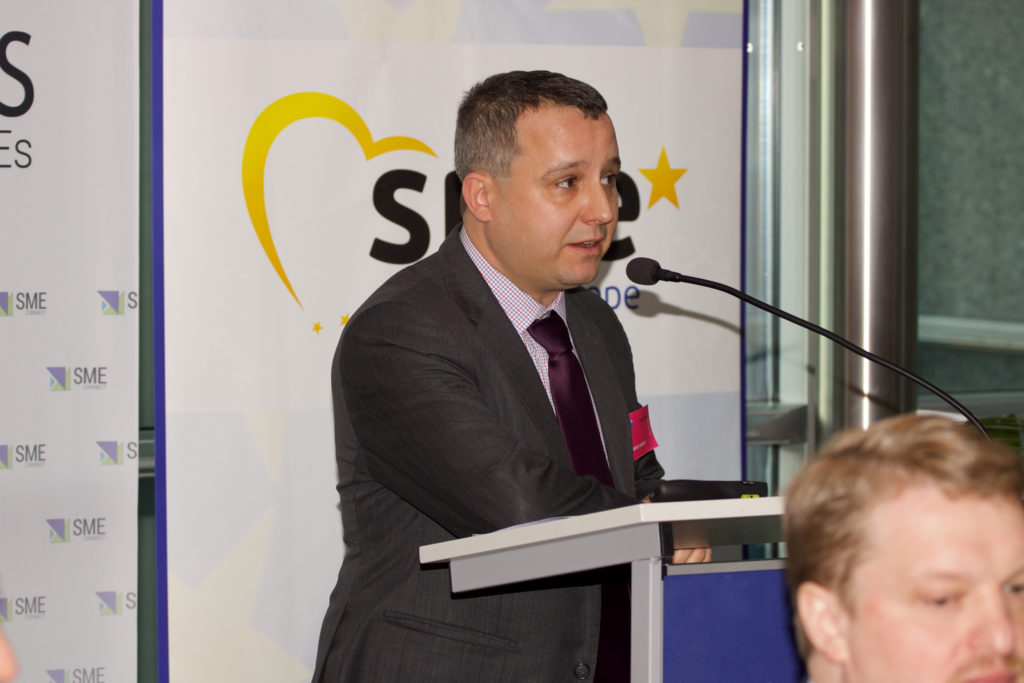
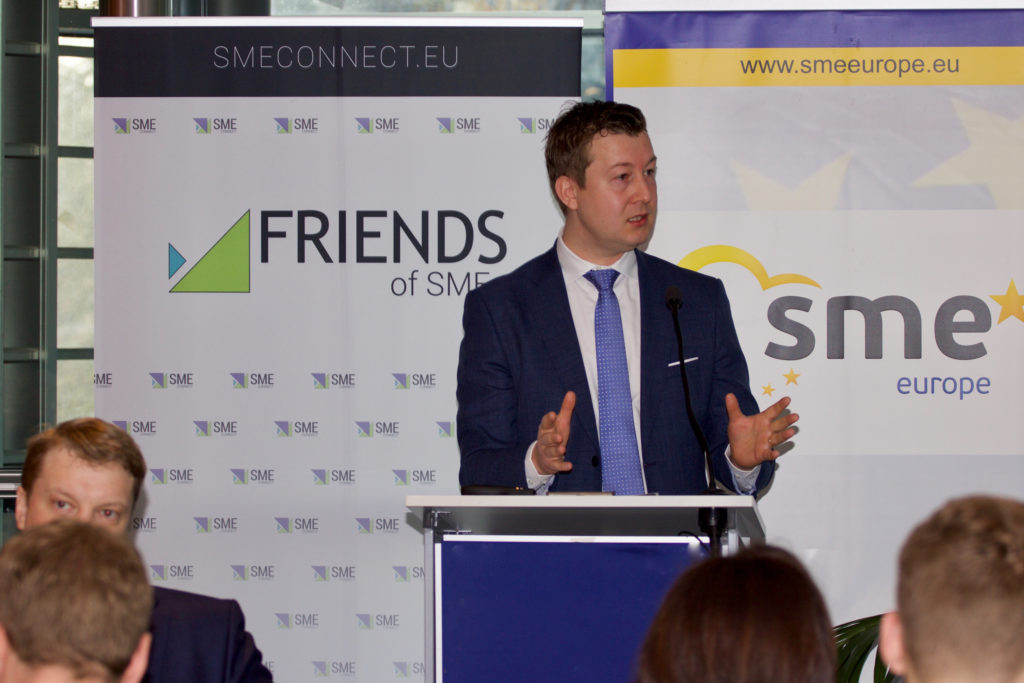
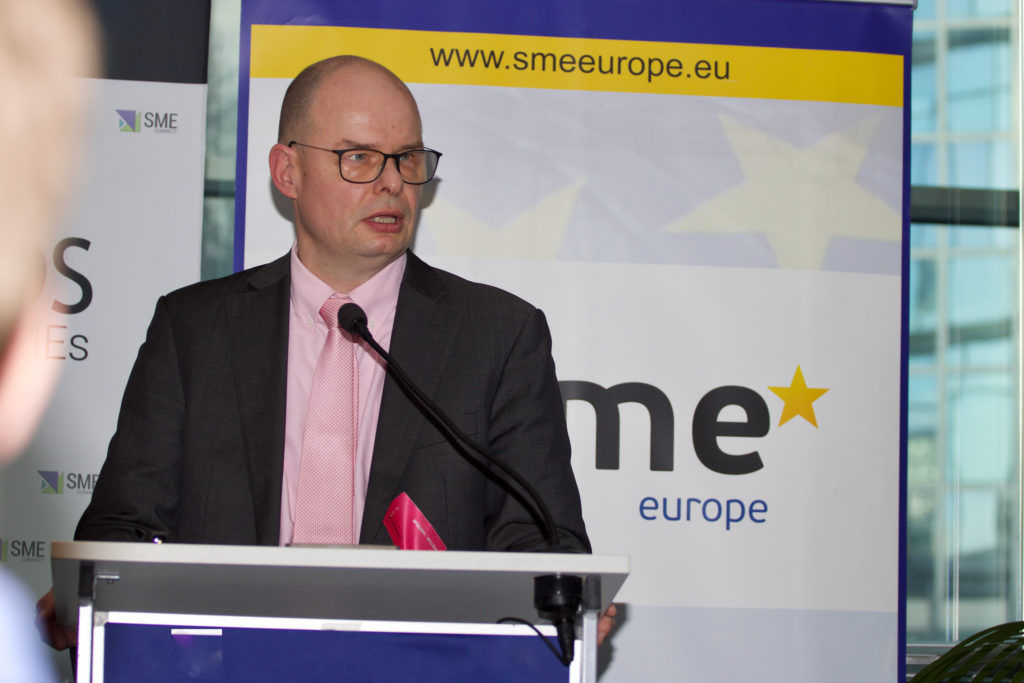
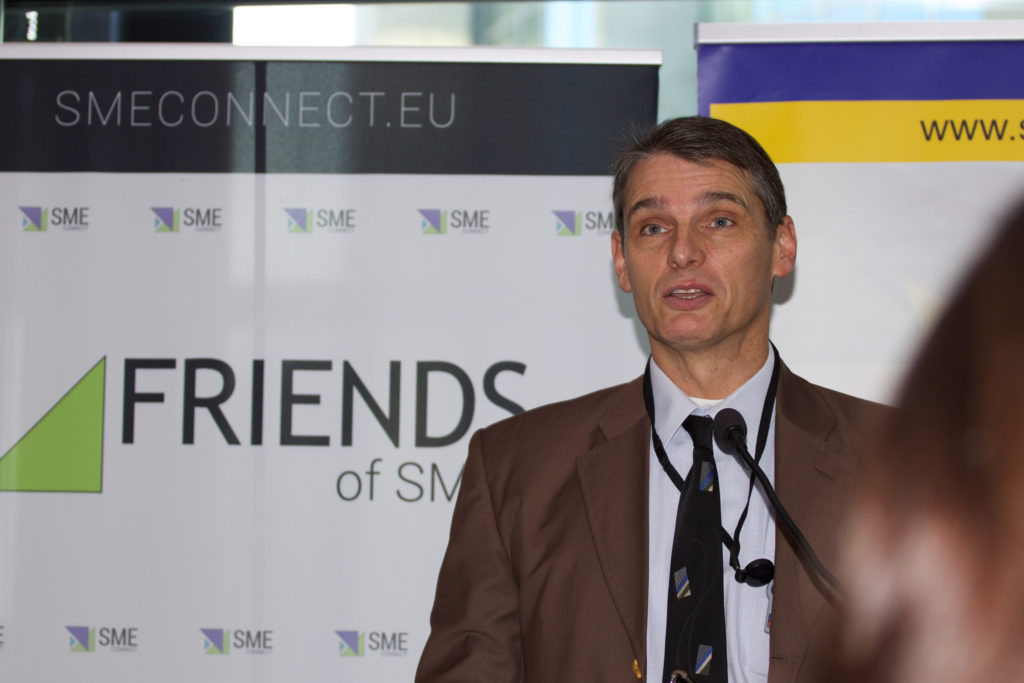
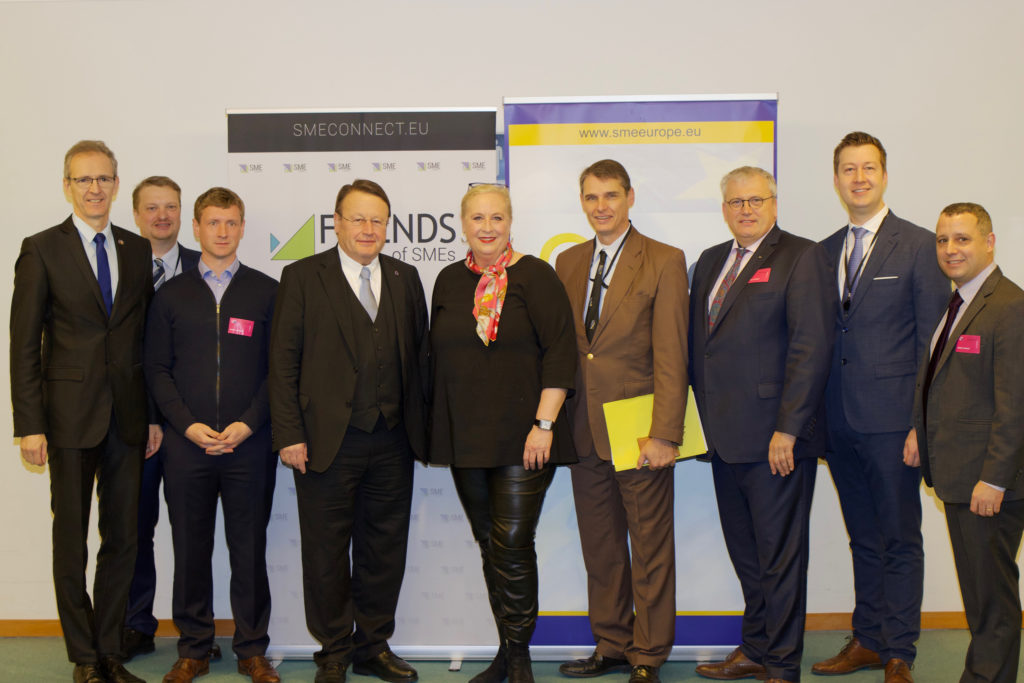
On February 19th SME Europe, in cooperation with SME Connect and the European Taxpayers Association, hosted a Working Breakfast on “Online Impact of EU’s Digital Taxation Proposal on European SMEs”. The event took place under the Chatham House Rules.
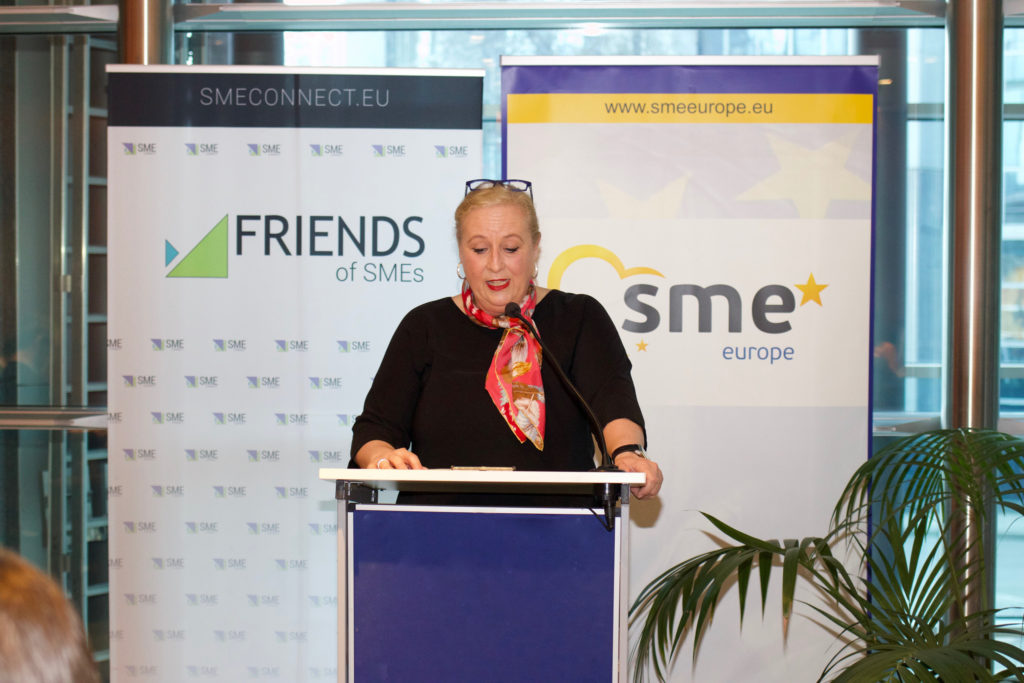
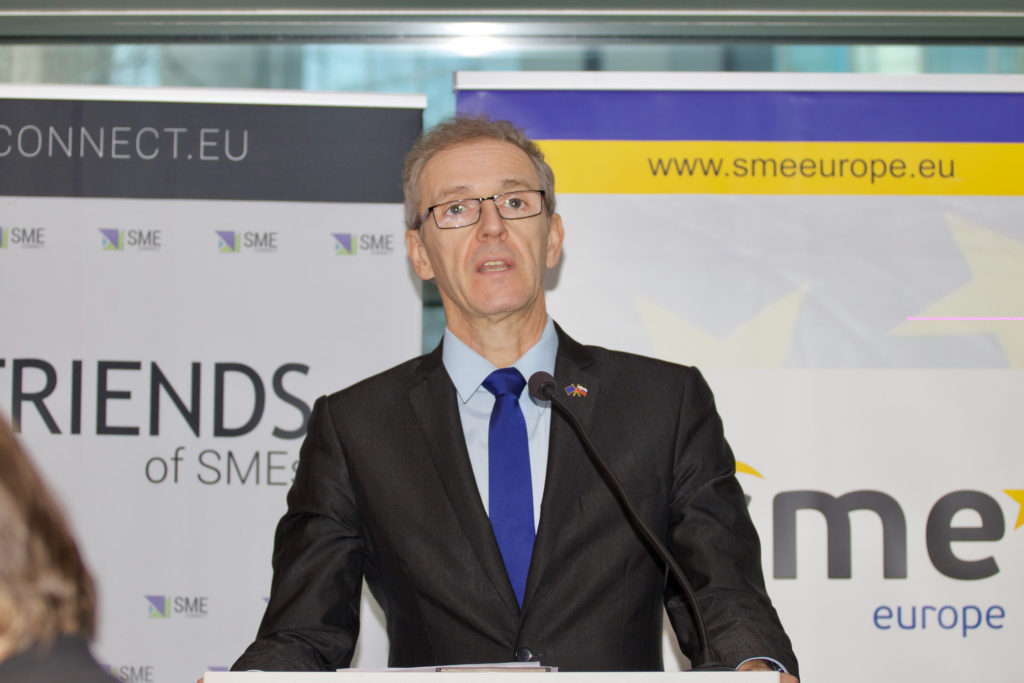
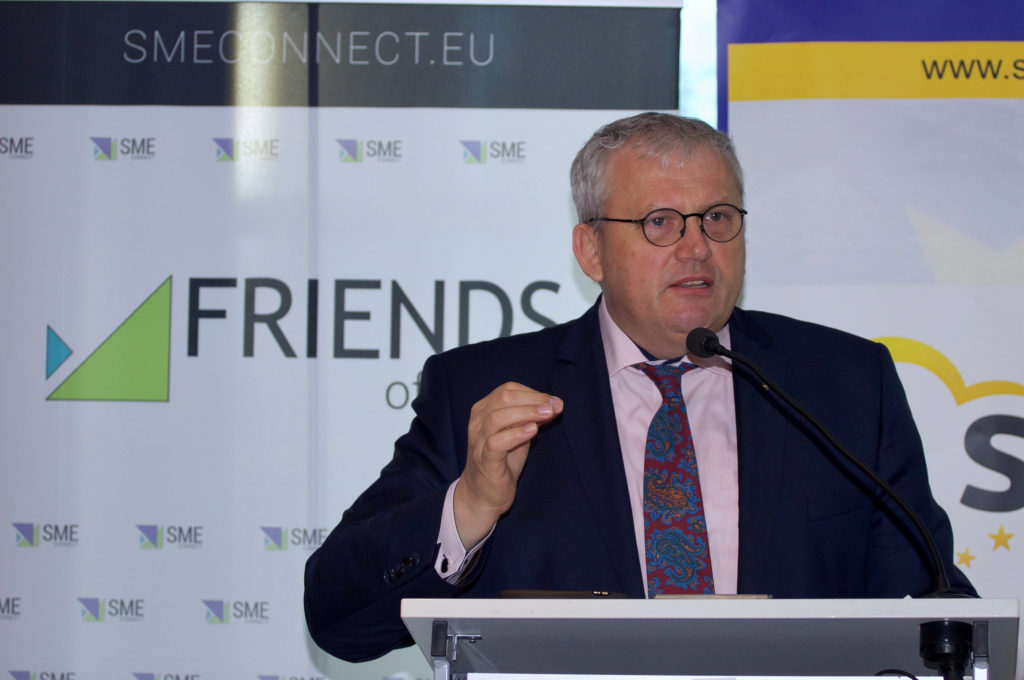
The Breakfast was hosted by Claudia Schmidt MEP(Member of the Committee on Budgetary Control and Board Member of SME Connect). She opened the event by welcoming all participants and underlining the importance of a fair tax environment for SMEs, to secure growth and prosperity. Other speakers at the Working Breakfast were Ivan Stefanec MEP(Member of the Committee on Internal Market and Consumer Protection and President of SME Europe), Stefan Gehrold MEP(Member of the Committee on Monetary and Economic Affairs), Dr. Paul Rübig MEP(Committee on Industry, Research and Energy and President of SME Connect), Matthias Bauer(Senior Economist at the European Centre for International Political Economy), Michael Jäger(Secretary General of the Taxpayers Association of Europe and CEO of the European Economic Senate), Lawrence D. Norton(US Treasury Representative for Europe), Christian Borggreen(Vice President and Head of Office at CCIA Europe) and Ralph Brügelmann(Senior Manager Tax and Finance Policy at Bundesverband der Deutschen Industrie e.V.). The Open Discussion was moderated by Dr. Horst Heitz, Executive Director of the SME Europe.
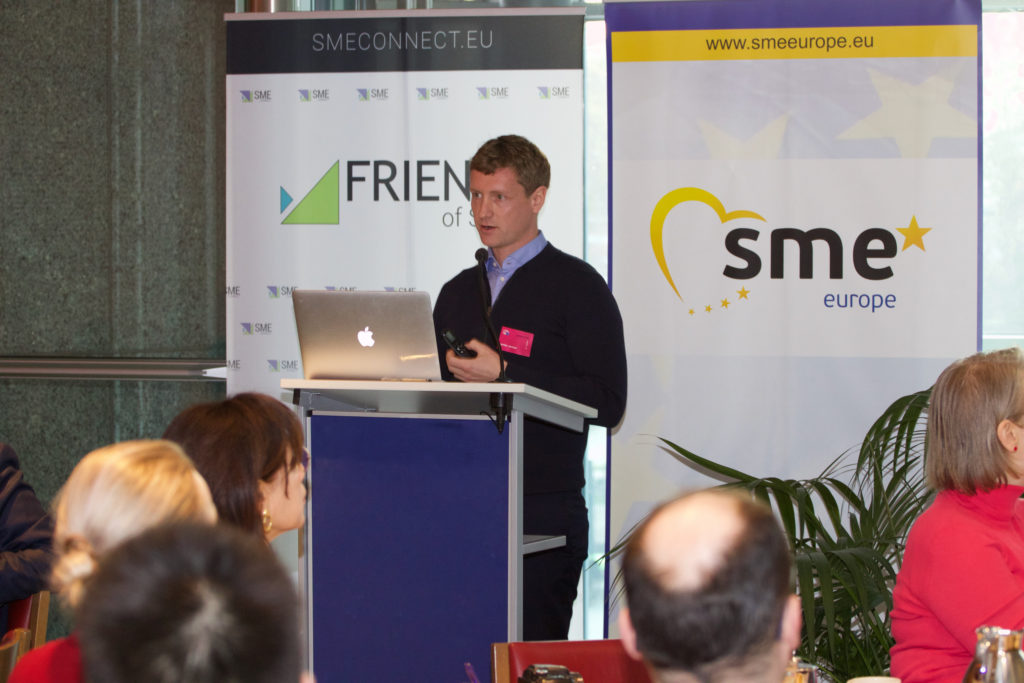
The speakers mentioned the already similar tax burden between digital and non-digital enterprises; economic concerns on taxing revenue, net profits and that with ATAD I&II the EU already does have existing cross-border systems to report international unlawful transfers of profits. 
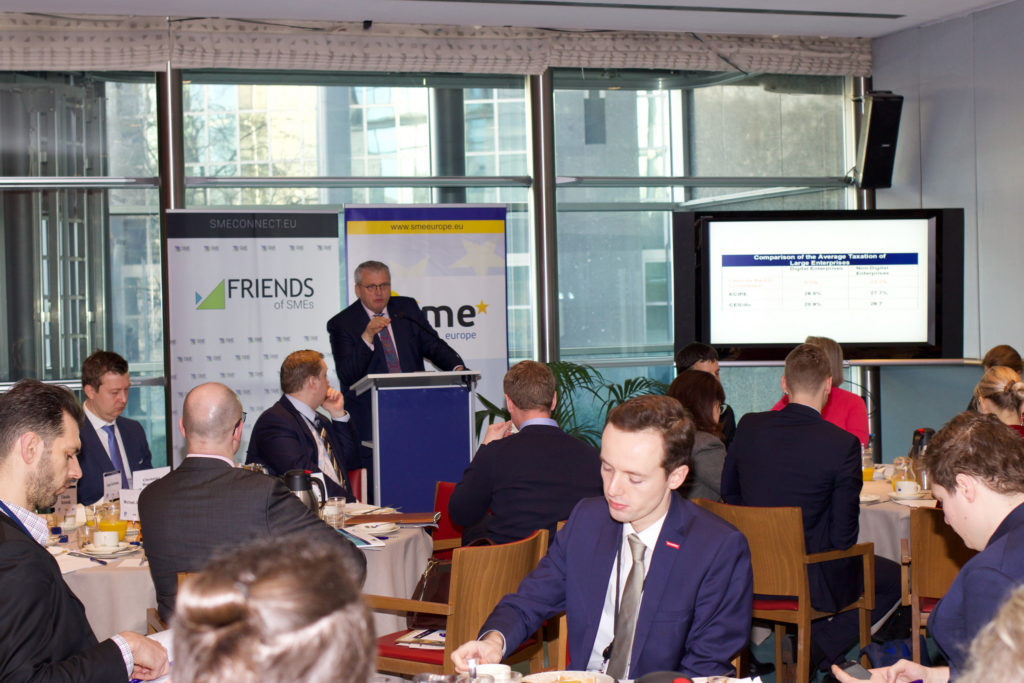
SMEs would also be affected, since the cost of higher taxes would be moved down the supply chain from large Enterprises to SMEs and finally to the consumer. Furthermore, they will be taxed higher, as soon as they become a large enterprise. Which might result in a restrictive business approach and a less innovative environment the European digital sector. Instead, there has been a call for international solution, primarily to reform the OECD framework.

load more pictures

The publication of this document received financial support from the European Parliament. Sole liability rests with the author. The European Parliament is not responsible for any use that may be made of the information contained therein.

Privacy Policy
SME Europe

Privacy Policy

Disclaimer

SME Europe of the EPP maintains this website to enhance public access to information about its initiatives. Our goal is to keep this information timely and accurate. If errors are brought to our attention, we will try to correct them. This privacy policy will explain how our initiative uses the personal data we collect from you when you use our website.

Your Privacy

When you visit any website, it may store or retrieve information on your browser, mostly in the form of cookies. This information might be about you, your preferences or your device and is mostly used to make the site work as you expect it to. The information does not usually directly identify you, but it can give you a more personalised web experience.
Because we respect your right to privacy, you can choose not to allow some types of cookies. Click on the different category headings to find out more and change our default settings. However, blocking some types of cookies may impact your experience of the site and the services we are able to offer.

Strictly Necessary Cookies

These cookies are necessary for the website to function and cannot be switched off in our systems. They are usually only set in response to actions made by you which amount to a request for services, such as setting your privacy preferences, logging in or filling in forms.

You can set your browser to block or alert you about these cookies, but some parts of the site will not then work. These cookies do not store any personally identifiable information.

Performance Cookies

These cookies allow us to count visits and traffic sources so we can measure and improve the performance of our site. They help us to know which pages are the most and least popular and see how visitors move around the site.
All information these cookies collect is aggregated and therefore anonymous. If you do not allow these cookies we will not know when you have visited our site and will not be able to monitor its performance.