
Open Letter to Charles Michel
and Ursula von der Leyen
on new regulatory burdens for SMEs
during the COVID-19 crisis

By SME Europe
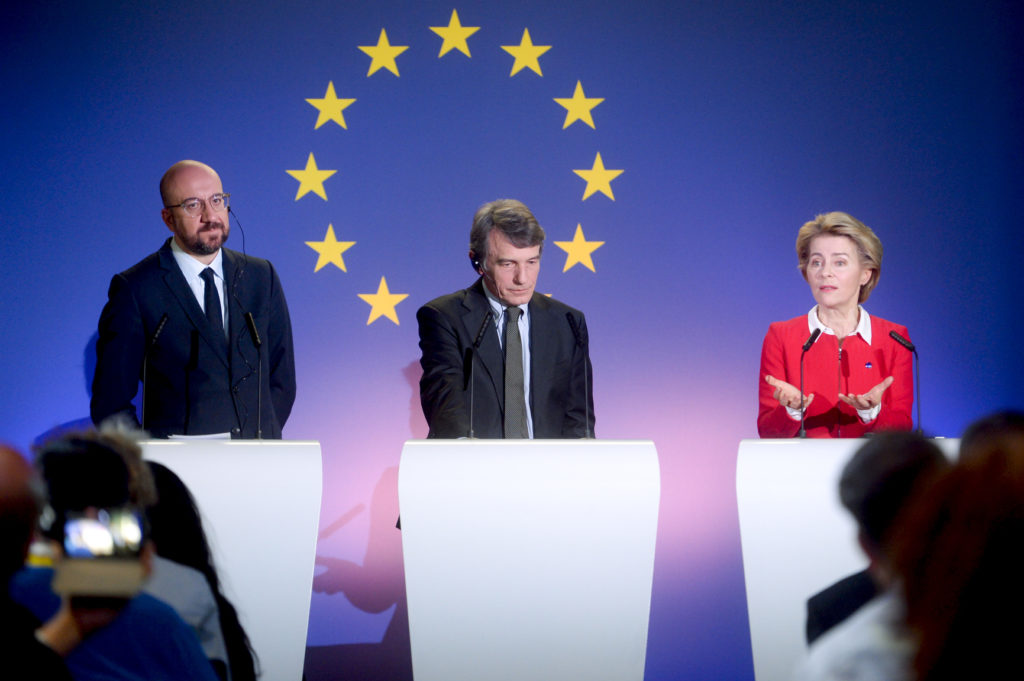
Statements on the Future of Europe after presidential retreat in Bazoches by David SASSOLI, President of the European Parliament, Charles MICHEL, President of the European Council and Ursula von der LEYEN, President of the European Commission

As often stated, SMEs are a vital motor of the European economy, playing a key role in Europe’s industrial fabric. Full attention must be paid to SME needs while designing regulatory initiatives, especially in times of crisis.

It has come to our attention that a number of new regulatory requirements imposed on European companies are scheduled to take effect in the coming days and weeks. A non-comprehensive list of EU acts imposing such new requirements is attached to this letter for reference.

We understand that some of those requirements entail logistical and technical adaption of companies’ production and supply chains, which present a challenge for companies and SMEs in particular, given the extraordinary circumstances that they are facing during the COVID-19 crisis.

The coronavirus pandemic is putting European companies under tremendous pressure and many of them are forced to temporarily close their activities, reduce their staff, introduce safety measures, face broken supply chains, deal with suppliers’ or customers’ bankruptcies, liquidity, vastly reduced demands, or are simply engaged in a fight for their own survival.

Once Europe comes out of the crisis, it will be companies, small and big, that we will rely on to get the economy back on track. We call the European Council as well as the European Commission to do everything in their power to shield companies and in particular SMEs from unnecessary constraints, and to support them throughout this difficult time.

For this reason, we urge you that an instrument be established which will allow the Commission to postpone the deadline for new regulatory obligations which would otherwise take effect during the crisis. It should be up to the Commission to decide upon the length of the extension of the deadline, but it should take into account the period of time that the crisis is expected to affect companies’ labour force, production and supply chains, knowing that the disturbance may continue beyond the duration of the sanitary emergency.

The publication of this document received financial support from the European Parliament. Sole liability rests with the author. The European Parliament is not responsible for any use that may be made of the information contained therein.

Privacy Policy
SME Europe

Privacy Policy

Disclaimer

SME Europe of the EPP maintains this website to enhance public access to information about its initiatives. Our goal is to keep this information timely and accurate. If errors are brought to our attention, we will try to correct them. This privacy policy will explain how our initiative uses the personal data we collect from you when you use our website.

Your Privacy

When you visit any website, it may store or retrieve information on your browser, mostly in the form of cookies. This information might be about you, your preferences or your device and is mostly used to make the site work as you expect it to. The information does not usually directly identify you, but it can give you a more personalised web experience.
Because we respect your right to privacy, you can choose not to allow some types of cookies. Click on the different category headings to find out more and change our default settings. However, blocking some types of cookies may impact your experience of the site and the services we are able to offer.

Strictly Necessary Cookies

These cookies are necessary for the website to function and cannot be switched off in our systems. They are usually only set in response to actions made by you which amount to a request for services, such as setting your privacy preferences, logging in or filling in forms.

You can set your browser to block or alert you about these cookies, but some parts of the site will not then work. These cookies do not store any personally identifiable information.

Performance Cookies

These cookies allow us to count visits and traffic sources so we can measure and improve the performance of our site. They help us to know which pages are the most and least popular and see how visitors move around the site.
All information these cookies collect is aggregated and therefore anonymous. If you do not allow these cookies we will not know when you have visited our site and will not be able to monitor its performance.