

AI Regulation and its Impact on SMEs: Focus on the French Presidency Proposals on General-Purpose AI
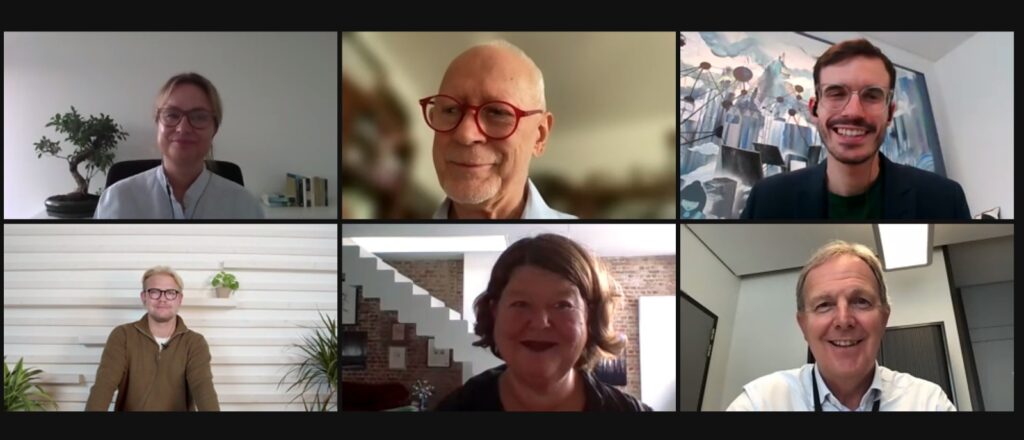
On Wednesday September 9th, SME Europe organized the Webinar “AI Regulation and its Impact on SMEs: Focus on the French Presidency Proposals on General-Purpose AI.”
The panel was opened by Axel VOSS MEP, DANZ and JURI Committees; AIDA Rapporteur on Artificial Intelligence in a Digital Age; Senator SME Europe of the EPP and saw the participation of Irina Orssich, Head of Sector AI Policy, DG CNECT European Commission; Johann SVANE JENSEN, Head of Policy, Danish Entrepreneurs; Catelijne MULLER, Co-Founder and President of ALLAI; Former Member of the EU High Level Expert Group for AI; AI Rapporteur for the European Economic and Social Committee (EESC); President of the EESC Thematic Study Group on AI; and Julien CHASSERIEAU, Senior Manager for AI & Data Policy, Digital Europe. Michal BONI, Member of the European Parliament 2014-2019; First Minister of Administration and Digitalisation of Poland; Senator of SME Europe of the EPP moderated the discussion.
Axel Voss MEP opened the event stating that the AI act needs to be practical, legally clear and aimed to focus on high-risk AI uses. He also raised the issue of digital governance: an EU Ai agency could be a short-term solution, but an institution with a wider scope –including DSA, DMA for example– is necessary in the long term.
Irina Orssich remarked the argument in favour of including General Purpose AI in the AI Act: users may not be able to comply with the regulation intended for high-risk and burdens, as they were not included during every step of the process, whereas the providers were there since the initial design and thus better equipped to comply. The driving idea was to share risks.
“We need regulation that’s comprehensible to those that build technology,” Johann Svane Jensen stated. “If legislation becomes cumbersome and bureaucratic, we won’t see innovation and we’ll see ideas that never become reality.” Ultimately, administrative and regulatory compliance costs need to be lowered for startups and SMEs.
In Catelijne Muller’s opinion, General Purpose AI should be included in the AI Act, as it would encourage rather than stifle innovation.
Lastly, Julien Chasserieau concluded by highlighting the importance of cooperation between all parties to ensure compliance with regulation, with risk management still a priority at all levels.