

Working Group Digital Agenda of SME EUROPE: Making Copyright Work: The Impact of Neighboring Rights On European SMEs and Innovation
On the 8th of November 2016, SME EUROPE of the EPP in cooperation with Friends of SMEs was delighted to welcome guests to a Working Breakfast on the thematic of: “Working Group Digital Agenda of SME EUROPE: Making Copyright Work: The Impact of Neighboring Rights On European SMEs and Innovation” in the European Parliament.
The speakers for this event included Horst Heitz, Executive Director of SME EUROPE; Member of the European Parliament (MEP) Therese Comodini Cachia, Member of the Committee on Legal Affairs and Rapporteur responsible for Copyright and the Digital Market; Giuseppe Abbamonte, Director of the Media and Data Directorate at the DG for Communications Networks, Content and Technology in the European Commission; MEP Julia Reda, Member of the Committee on Legal Affairs and Shadow Rapporteur of Copyright and the Single Market; Diana Cocoru, Director for Policy and Research of OpenForum Europe, and Christophe Dickes, the Global Copyright Director of Kantar Media.
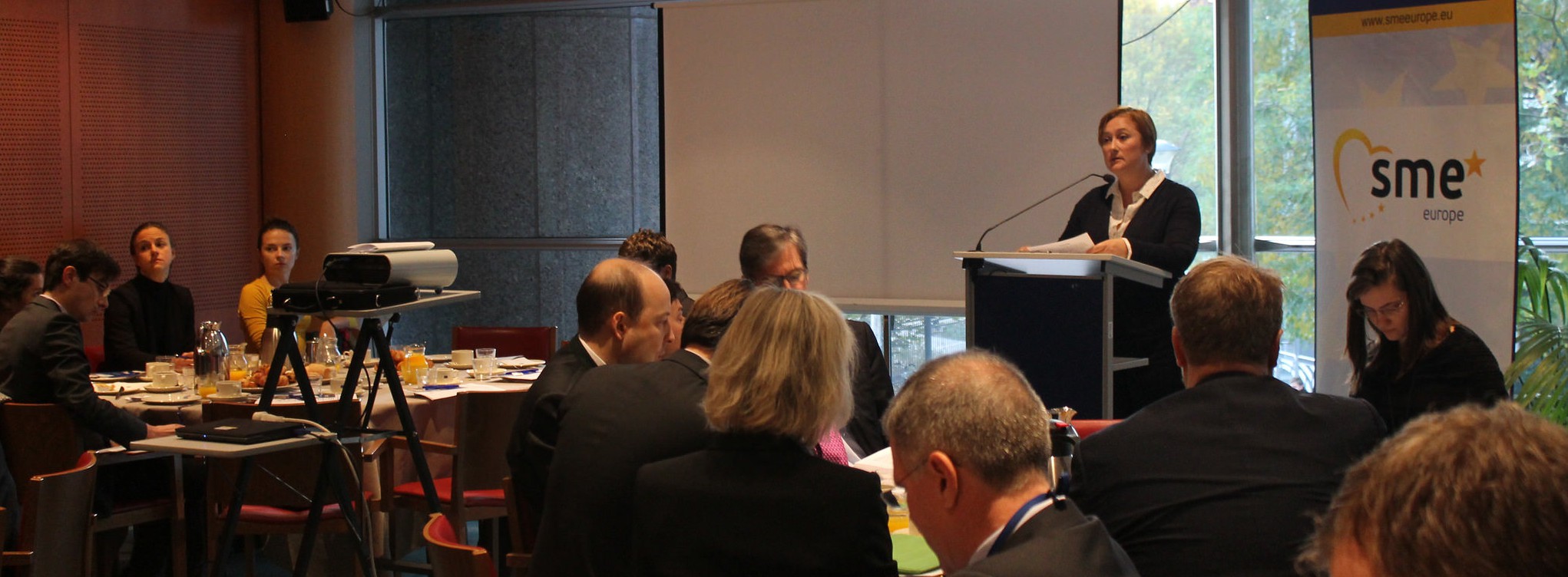
MEP Comodini Cachia led the welcome of the event and spoke about the protection and proposal mechanism find within the digital market. Moreover, MEP Comodini Cachia emphasized the importance of the opportunities that SMEs could experience with the Copyright reform, as those would allow them faster access to information and help them grow. In addition she highlighted the importance of protecting the rights of Copyright holders.
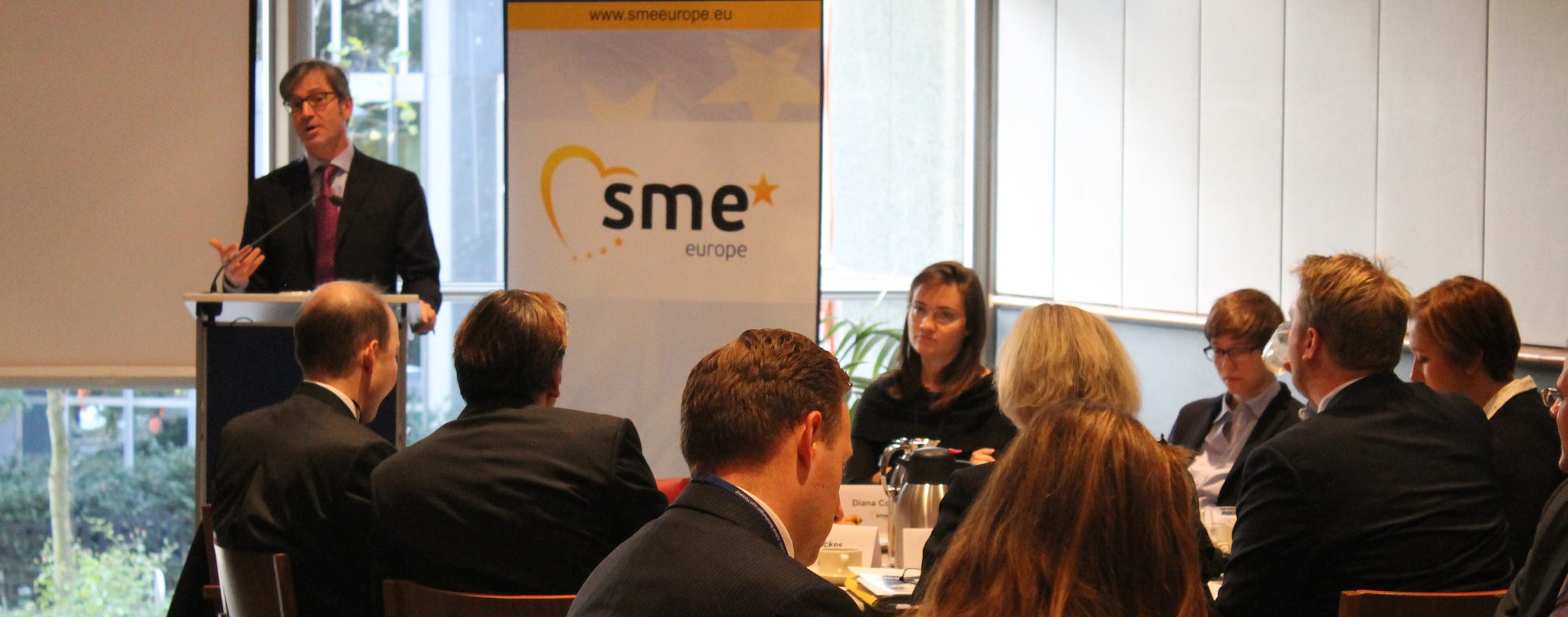
Our first Keynote, Mr. Abbamonte outlined the importance of having Copyright protected work be accessible as digital content. He stressed that text and data-mining exceptions should be mandatory for research and commercial purposes of the Horizon 2020 programme. This platform should benefit publishers and fulfil their requirements for the next years. In addition, Mr. Abbamonte explained the advertising markets with quality journals and publications needs to be reinvented.
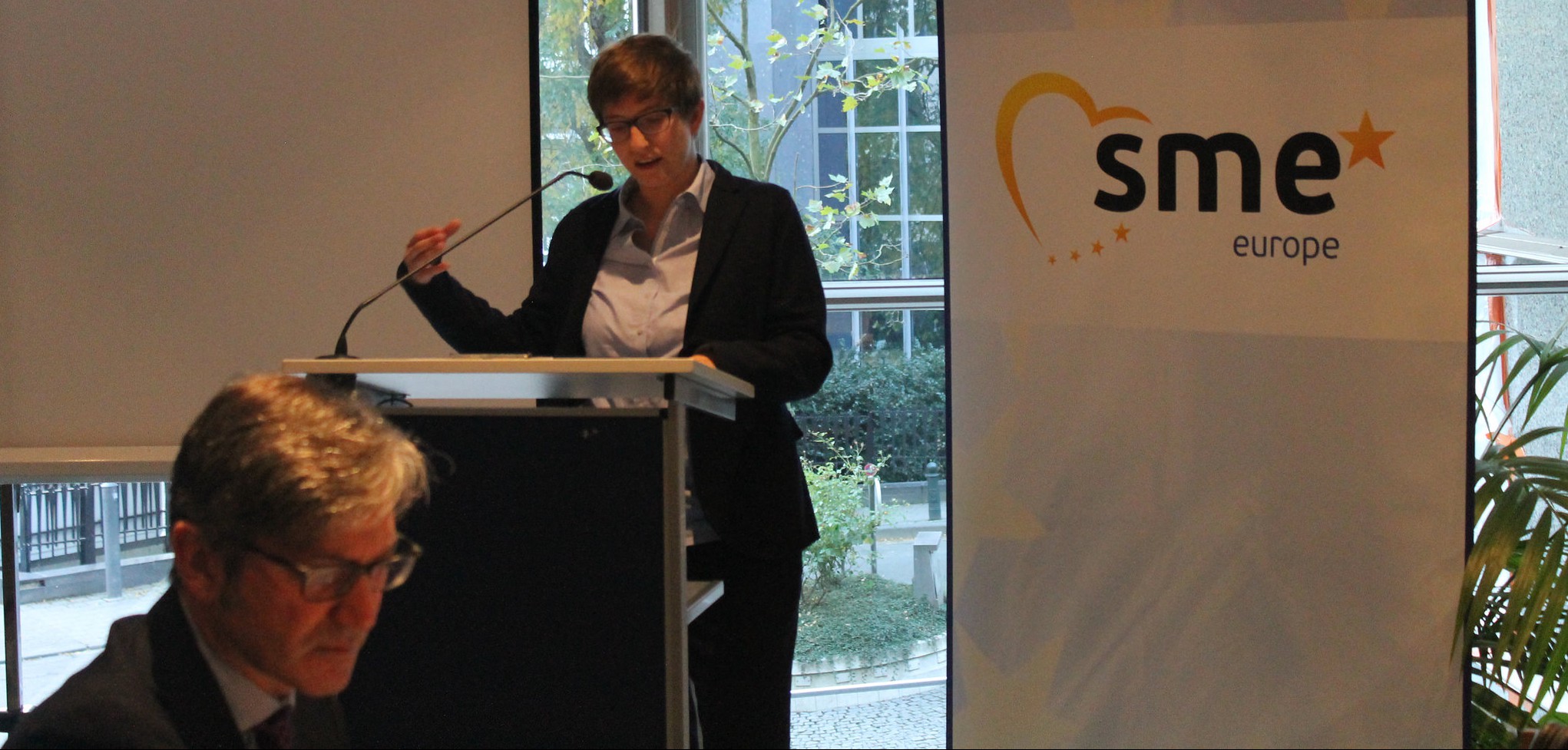
The second Keynote was delivered by MEP Reda, who began outlining that SMEs in Germany have different Copyright right rules than SMEs in other EU countries. Mrs. Reda explained that local publishers struggle with the competition on the World Wide Web and the pressure to change their business model with the difficulties connected to it. Additionally MEP Reda emphasized the importance to have an open discussion on how Copyright for algorithms should work and how to best deal with them. Lastly, she stressed the importance of understanding the difference between Copyright and Neighbouring rights.
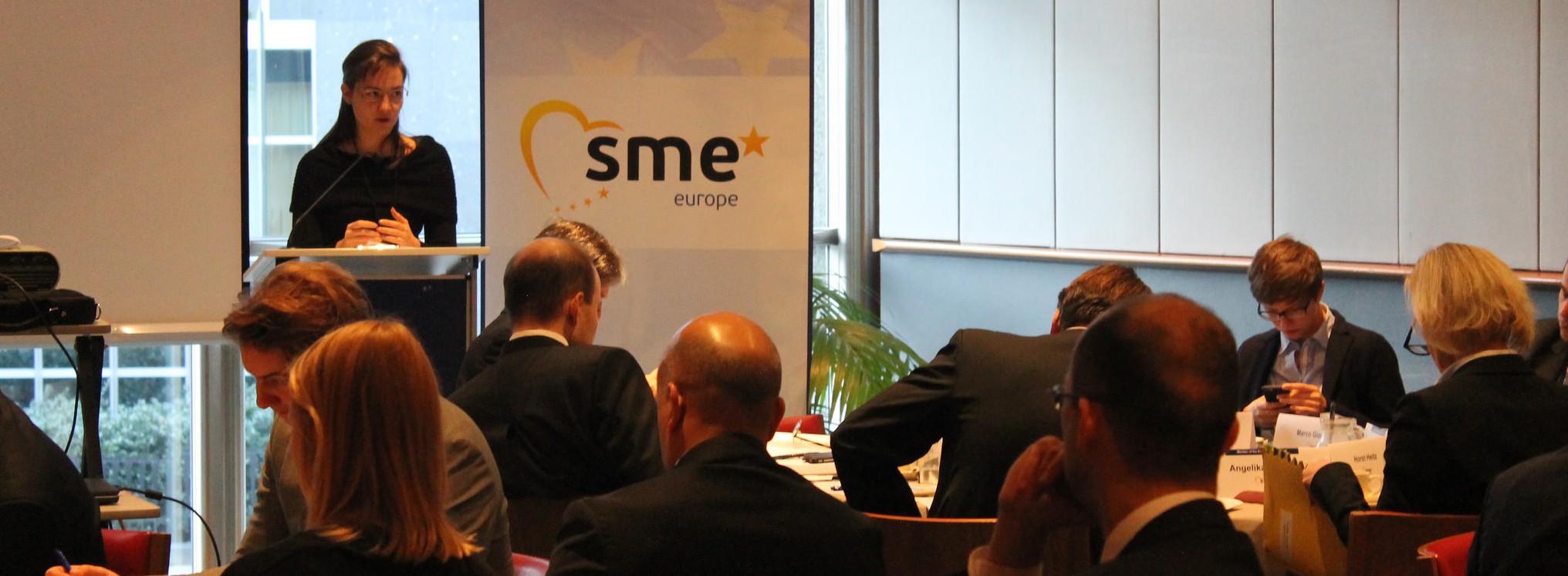
Following Ms. Reda’s intervention, Ms. Cocoru took the floor and spoke about the basics of Copyright and what alternatives publishers have in order to comply with its laws. According to her, SMEs should reinvent themselves and bring forward new working models focused on Copyright protection. She also outlined the situation in several EU countries, and its effect on SMEs.
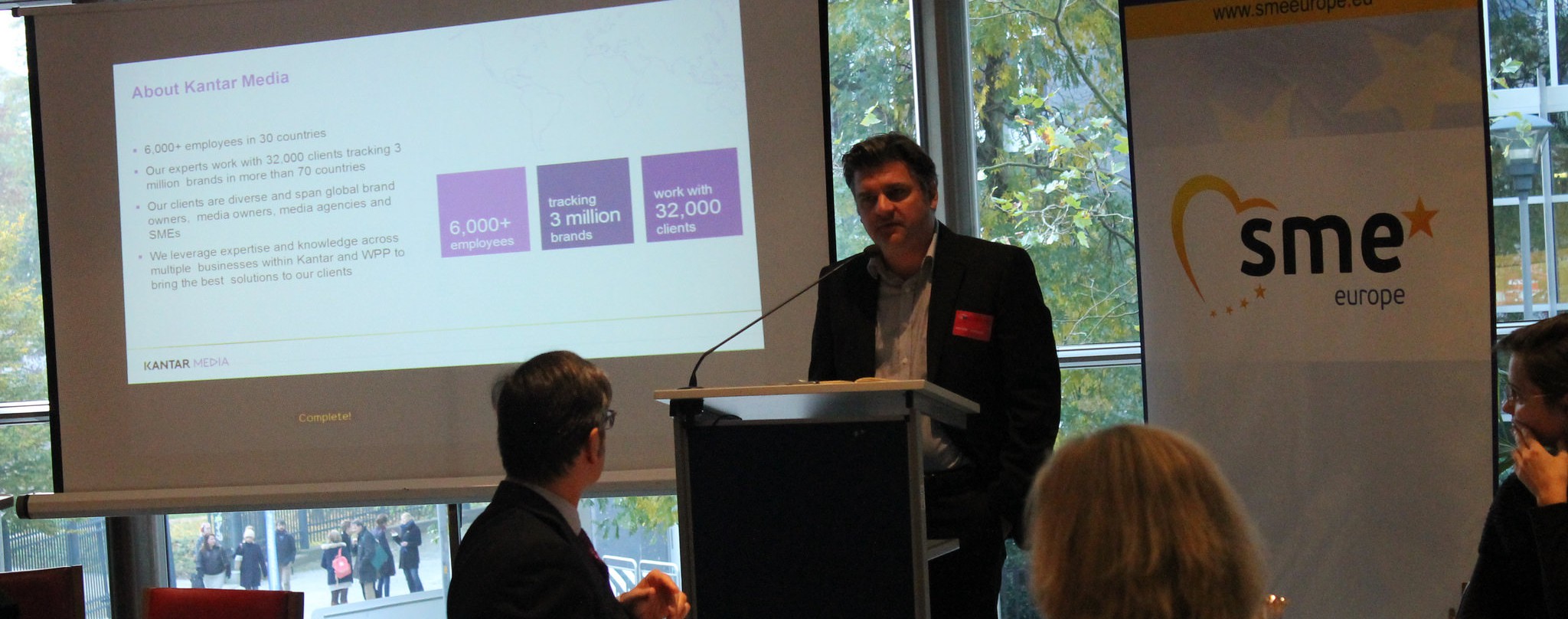
Finally, Mr. Dickes took the floor and spoke about how neighbouring rights and the experiment to pay for Copyright has been working in France, Spain, Italy and Germany. He mentioned the difficulties SMEs are facing with Copyright when attempting to access summaries, qualitative media, social media analysis and e-reputation. He concluded that much work towards the benefit of SMEs is yet to be done.