

Der Mittelstand im deutschsprachigen Raum als europäisches Kulturgut
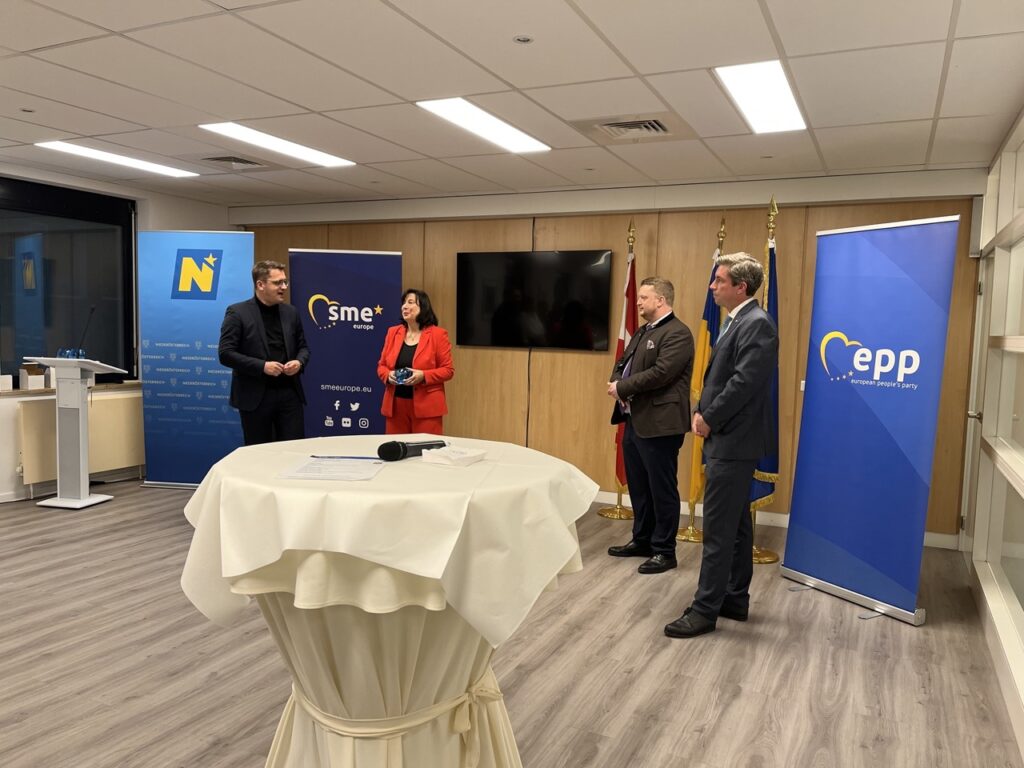
Am Mittwoch, den 16. April, lud SME Europe zusammen mit der Vertretung des Landes Niederösterreich zu einem Festakt und Netzwerkabend der CDU/CSU- und ÖVP-Fraktion zum Thema „Der Mittelstand im deutschsprachigen Raum als europäisches Kulturgut“ in die Räumlichkeiten des Verbindungsbüros Niederösterreich in Brüssel ein.
Der Abend wurde von DR. HORST HEITZ, Generalsekretär von SME Europe, und VICTOR VAUGOIN, Leiter der Verbindungsbüros Niederösterreich in Brüssel, eröffnet. Nach einer kurzen Begrüßung erhielten verschiedene Mitglieder des EU-Parlaments das Wort, um als Redner ihre Expertise und Anliegen zum Thema des Abends zu teilen.
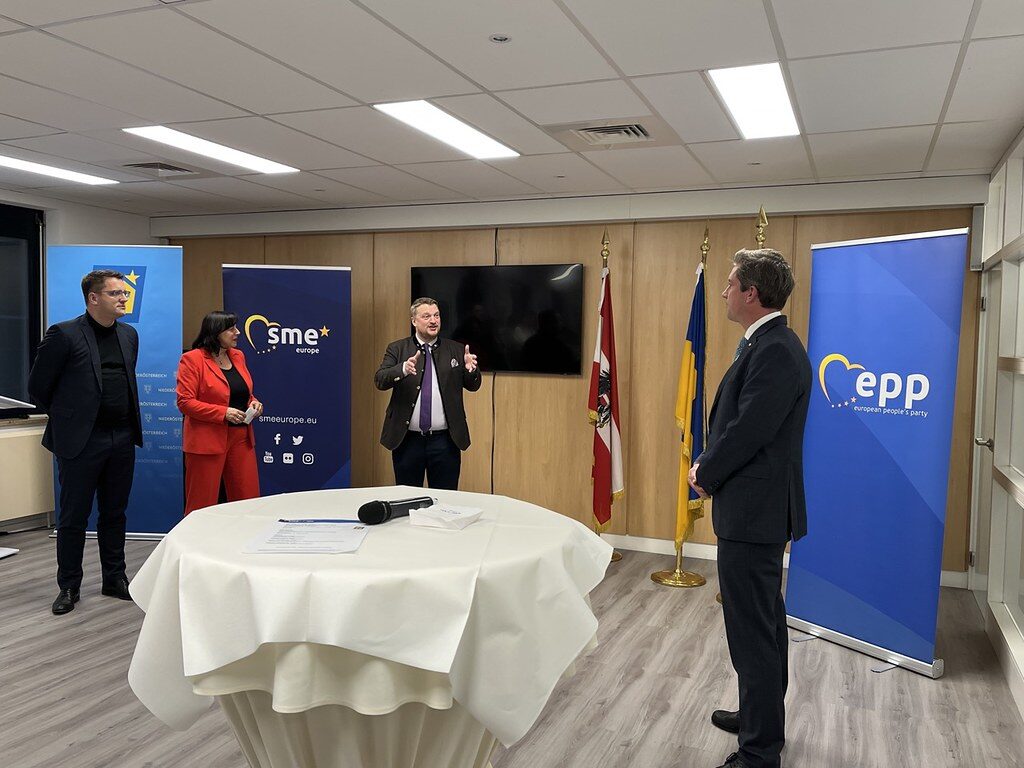
Unter anderem betonte MARION WALSMANN MEP, Vorsitzende des Parlamentskreises „Mittelstand“ der CDU/CSU-Fraktion, die Bedeutung des Mittelstands als Motor und Basis unserer Wirtschaft vor und nach der anstehenden Wahl. Die Politik müsse sich stärker auf die Bedürfnisse kleinerer Unternehmen konzentrieren und weniger Politik im Sinne der „Großen“ betreiben. Innovationen kämen hauptsächlich aus dem Mittelstand, daher sei es notwendig, Unternehmen mit bis zu 250 Mitarbeitern besser zu fördern und ihnen mehr Lasten abzunehmen.
CHRISTIAN DOLESCHAL MEP, Landesvorsitzender der Jungen Union Bayern, hob die Wirtschaftskraft seines Bundeslands im EU-weiten Vergleich hervor. Die bayerische Wirtschaft wäre allein die sechststärkste in der EU, unabhängig von der Bundesrepublik. Ein solcher Status quo wäre ohne die Kraft kleiner und mittelgroßer Unternehmen undenkbar. Deshalb sei es nicht nur für Bayern, sondern für den gesamten deutschsprachigen Raum von hoher Wichtigkeit, den Mittelstand in den Mittelpunkt der Politik zu stellen.
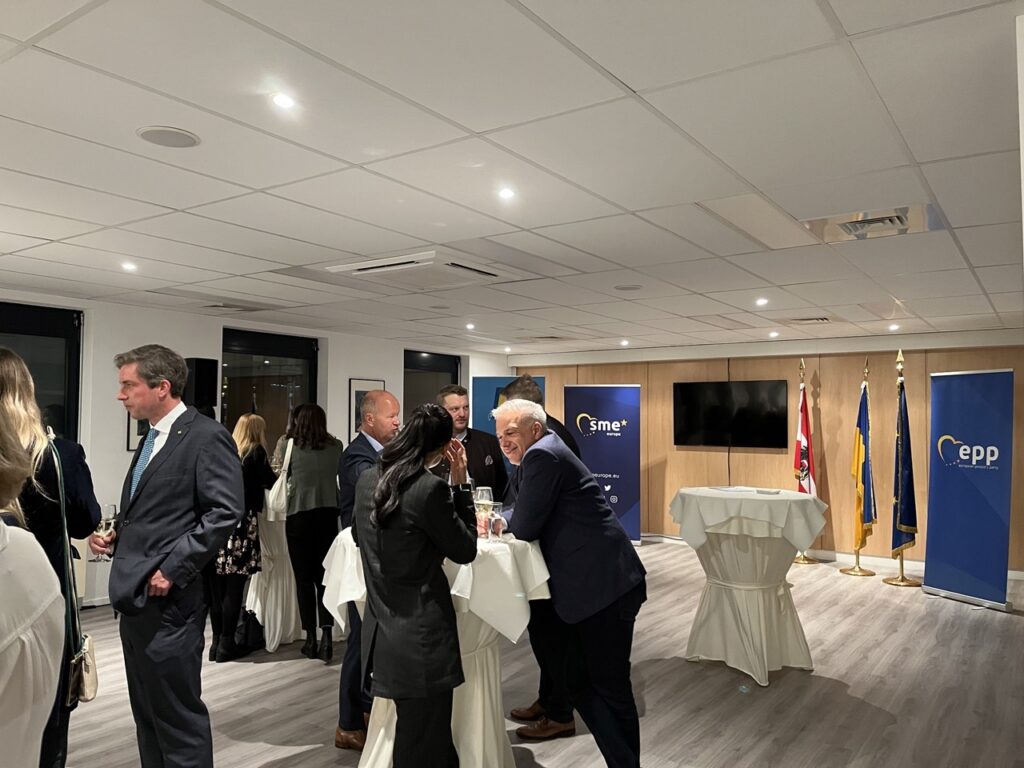
LUKAS MANDL MEP, Europaabgeordneter aus dem Land Niederösterreich, bezeichnete den Mittelstand als „Rückgrat“ der österreichischen Wirtschaft und betonte den enormen Wert kleinerer Betriebe. Dies sei jedoch keine Selbstverständlichkeit. Daher müssten das EU-Parlament und die Kommission in der kommenden Legislaturperiode noch mehr politische Investitionen in SMEs tätigen. Als Beispiel erwähnte er den angestrebten Rückgang von Berichtspflichten um 25%.
Abschließend lenkte DR. ANGELIKA WINZIG MEP, Vizepräsidentin von SME Europe, die Aufmerksamkeit auf die Bandbreite mittelständischer Unternehmen: Von traditionellen Familienbetrieben bis hin zu modernen Start-ups trügen SMEs zum gesamtgesellschaftlichen Wohlstand bei. Die CDU/CSU- sowie die ÖVP-Fraktion strebten daher einen Abbau bürokratischer Pflichten, bessere Anreize für Innovation und Forschung und einen verbesserten Zugang zu Finanzierung an.